
The Croatian Hinterland – Origin as a Quality Factor for Bee Venom
The hinterland of Croatia is among the ecologically most valuable regions in Europe and offers exceptional conditions for beekeeping and the production of high-quality bee-derived active ingredients such as bee venom (apitoxin).
The mountainous landscape is shaped by ancient forests, mountain and alpine meadows, karst formations, and clear rivers and lakes. This combination creates an exceptionally diverse floral environment that reliably supplies bees with nectar and pollen over long periods, a key prerequisite for healthy bee colonies and pure, stable bee venom.
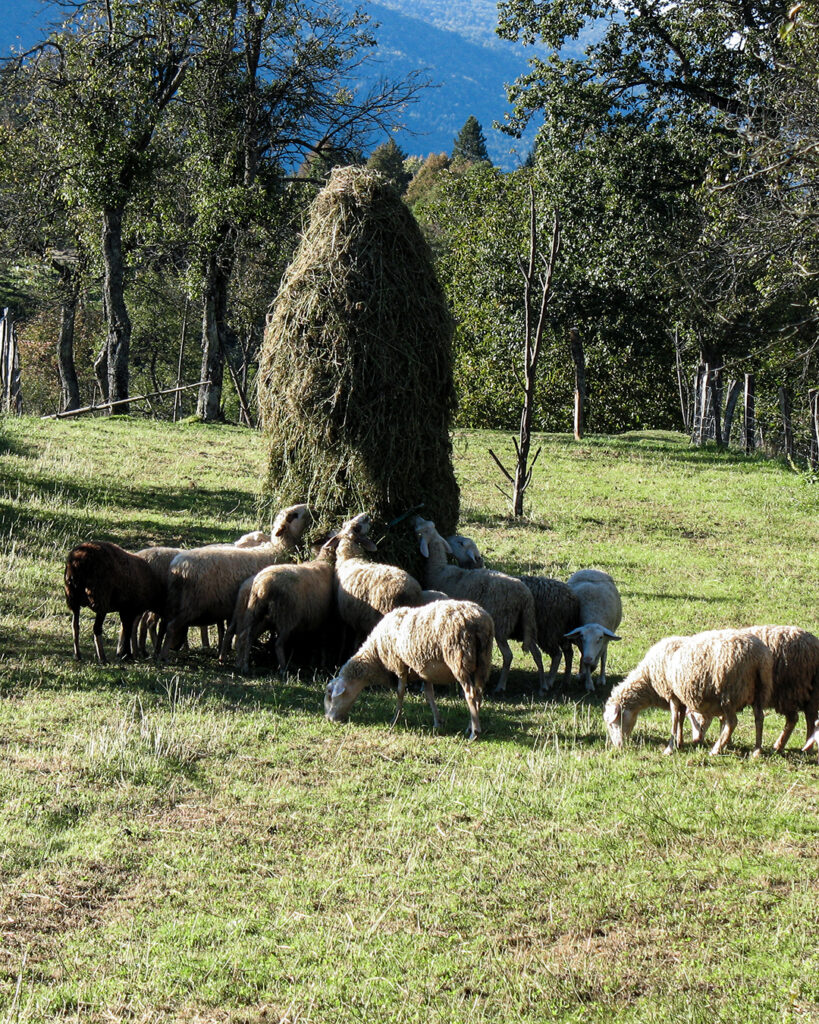
Mountain Meadows & Alpine Pastures – Diversity as the Basis of Biological Stability
At higher elevations of the Croatian hinterland, extensively managed mountain and alpine meadows can be found, shaped over generations through traditional grazing practices.
These areas are rich in flowering plants, including: Clover, Alfalfa, Sage and numerous nutrient-rich meadow herbs
This botanical diversity provides bees with a high-quality and balanced nutritional base and contributes significantly to the biological stability of bee colonies – a decisive factor for the quality and purity of bee venom.
Forests & Woodland Edges – Protection, Nutrition and Rhythm
The extensive forests of the Croatian hinterland consist of native deciduous and coniferous tree species, including:
Birch, Beech, Oak, Spruce as well as Black Alder and Maple.
These forests provide not only protection from weather influences, but also essential forage resources.
Especially in spring and autumn, numerous trees and shrubs bloom, such as: Linden (Tilia), Wild cherry, Willow.
They supply indispensable nectar for bees and support a natural, low-stress life rhythm, directly influencing the physiological quality of the harvested apitoxin

Rivers such as the Kupa and its tributaries, as well as karst springs and lakes, create humid zones and diverse microclimates.
These habitats are rich in: Field flowers, Daisies, Marguerites and many other wildflower species
They nourish bees throughout large parts of the year and enable a long, continuous flowering sequence – a rarity in Europe and a significant advantage for consistent bee health.
The clean air, low traffic levels, and minimal environmental pollution in the rural areas of the Croatian hinterland contribute significantly to the ecological purity of the region.
These conditions directly affect:
the vitality of bee colonies
the low exposure to environmental contaminants
the high quality of honey and bee venom
Honeys from this region are known for their complex, natural aromas, which directly reflect the botanical diversity of the environment. This purity and complexity are equally reflected in the quality of bee-derived active ingredients.

Beekeeping in the Croatian hinterland is closely linked to the rural way of life.
Many beekeepers have worked in harmony with nature for generations, responsibly using natural resources to produce:
Honey
Beeswax
and other bee products
This long-standing relationship between people, landscape, and bees forms the foundation for an ethical and sustainable approach to beekeeping, placing bee welfare at its center.
In summary, heather, linden, sage, and a wide variety of meadow herbs dominate the bee-friendly vegetation of the Croatian hinterland.
The combination of:
exceptional biodiversity
long flowering periods
low environmental impact
intact natural ecosystems
makes this region an ideal habitat for bees —
and thus a crucial foundation for highly pure, stable and reproducible bee venom (apitoxin) required for professional cosmetic, dermaceutical and pharmaceutical applications.